


Restored Tube Gear vs Unrestored: Which Is Right?

A radio can look untouched and still be decades past safe operating condition. A tube amplifier can glow warmly, pass music, and quietly strain parts that have not been dependable since the Eisenhower years. That is the real question behind restored tube gear vs unrestored: not simply whether an old component works, but whether it has been cared for in a way that respects both its history and the person who will use it.
For an inherited console, a flea-market receiver, or a prized hi-fi component, the right choice depends on your plans for it. Some pieces deserve careful preservation as static collector artifacts. Most radios and audio components intended to be played need thoughtful electrical restoration before regular use.
What “Unrestored” Usually Means
Unrestored does not always mean untouched. It may mean a set has never been serviced beyond a tube replacement, or that it received an unknown repair many years ago. A chassis can appear original while carrying dried-out capacitors, brittle wire insulation, tired resistors, worn controls, and power components that no longer perform predictably.
That matters because tube-era equipment was built around parts with finite service lives. Paper and electrolytic capacitors are especially important. As they age, they can leak electrically, drift from their intended values, hum, distort the signal, overheat, or place stress on transformers and tubes. A radio that “still plays” is not necessarily a radio that should remain powered.
Unrestored equipment does have an appeal. Collectors often appreciate original finishes, factory solder work, period-correct components, labels, and the evidence of a piece’s long life. In rare, historically significant examples, preserving every original detail may outweigh the desire to operate the item. But originality and operational safety are not the same thing.
Restored Tube Gear vs Unrestored for Daily Listening
For someone who wants to enjoy music, radio broadcasts, or the familiar glow of a vintage dial on a regular basis, restored tube gear is generally the more responsible choice. Proper restoration addresses the component failures most likely to damage the equipment or compromise its performance while retaining the character that made the piece worth saving.
The goal is not to make a 1940s radio behave like a modern Bluetooth speaker. Nor is it to replace every old part simply because it is old. A skilled restoration begins with inspection and testing. It considers the circuit, the condition of the chassis, the availability of suitable replacement parts, and the owner’s intended use.
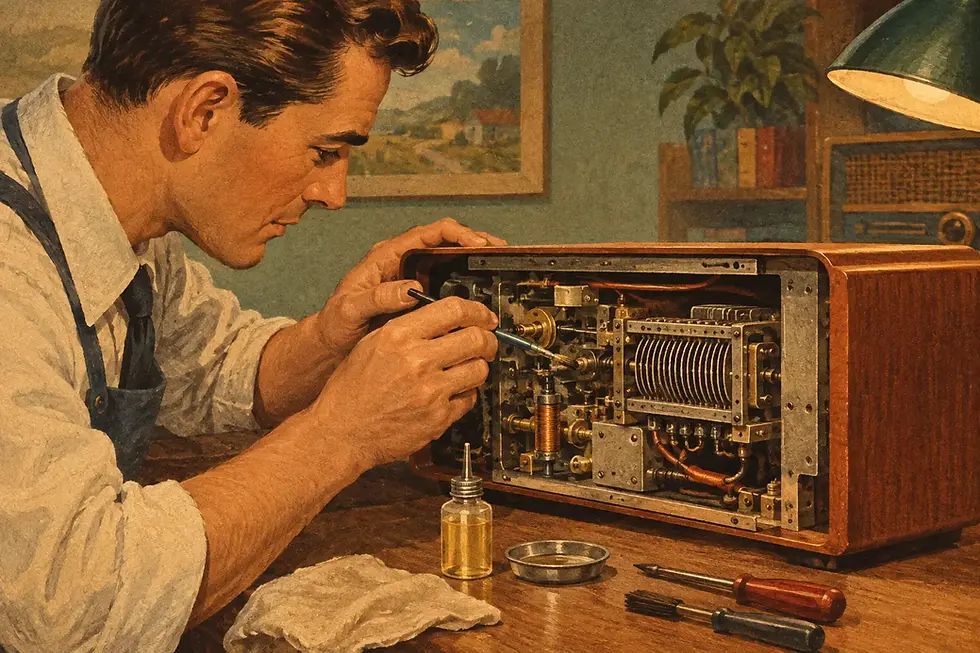
In a well-executed job, failed or unreliable components are replaced where needed, wiring and connections are evaluated, controls are cleaned and serviced, voltages are checked, and the set is tested under appropriate conditions. The result should sound like the equipment at its best: clear, stable, and faithful to its original design.
There is also a practical difference in peace of mind. Turning on an unrestored amplifier after it has sat dormant for years can risk expensive transformers, rectifiers, speakers, and other hard-to-replace parts. Careful restoration is often less about cosmetic perfection than preventing a small age-related failure from becoming a major loss.
“Working” Is Not the Same as Restored
This distinction is worth making plainly. A seller may describe a tube radio or amplifier as working because it produces sound. That tells you very little about its electrical condition. It may have hum, weak reception, distorted audio, overheating, intermittent controls, poor alignment, or unsafe line connections.
Likewise, a recently restored piece should not be judged only by its shine. Refinished cabinets, bright replacement knobs, and polished chassis work can be attractive, but they do not prove that the electronics were restored correctly. Ask what work was performed, whether the unit was tested after service, and whether the specialist understands the era and type of equipment involved.
Preservation Should Guide the Work
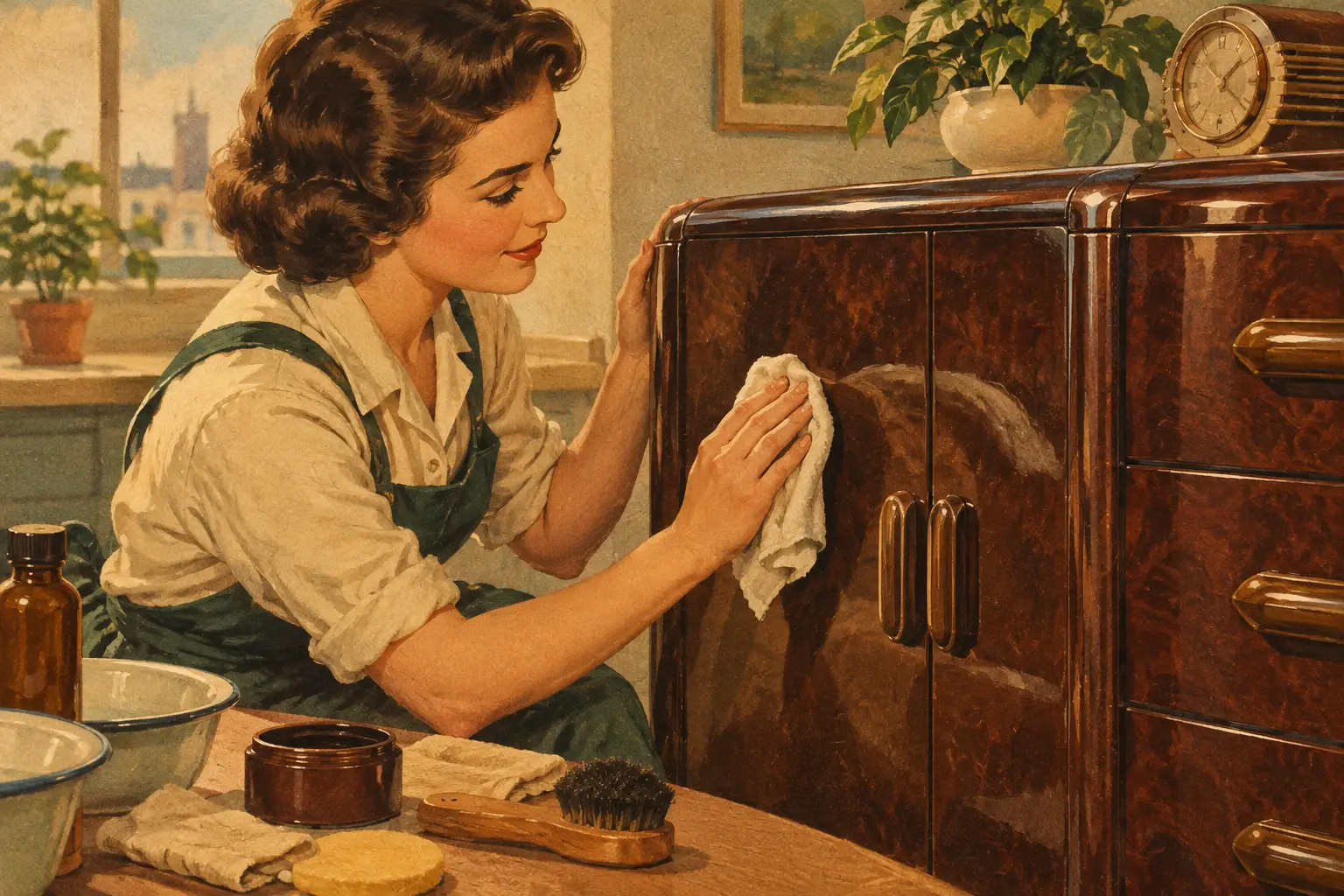
The finest restoration work knows when to leave history in place. A cabinet’s gentle wear, a station log, a maker’s decal, or an original dial scale may carry more meaning than a flawless but over-restored appearance. For many owners, the goal is not to erase every mark of age. It is to preserve the piece honestly and make it dependable enough to enjoy.
This is especially true of family heirlooms. The small scratch on a tabletop radio may be part of the memory of a grandparent’s kitchen. The warm patina of a console cabinet may be more valuable to its family than a fresh modern finish. Electrical service can often be performed with respect for those details, keeping the exterior character intact while bringing the internal workings back to sound condition.
There are exceptions. Water damage, neglected finishes, corrosion, missing veneer, and prior amateur repairs may require more extensive intervention. A restoration plan should be tailored to the object, not forced into a one-size-fits-all standard.
How Restoration Affects Value
Value is often discussed as if there were one rule: original is always worth more, or restored is always worth more. Vintage tube gear is more complicated than that.
An exceptionally rare radio with documented provenance may be most valuable with its original components and finish preserved as fully as possible. A desirable tube amplifier that has been competently serviced, however, is often more attractive to a buyer who wants to listen rather than display it. In common consumer radios, reliable operation and careful preservation can add far more practical value than untouched but failing electronics.
Poor work can hurt value. Drilled holes, mismatched modifications, unnecessary refinishing, careless wiring, and discarded original hardware can diminish a historic piece. So can leaving an otherwise valuable component in a condition that risks preventable damage. The best path is usually sympathetic restoration: repair what must be repaired, retain what can be retained, and document the work clearly.
Original Parts and Safe Replacements
Some original components are central to a piece’s identity, while others are consumable electrical parts that were always expected to age. Tubes, transformers, speakers, cabinets, dial assemblies, and unusual controls may be difficult to replace and deserve special care. Capacitors and certain resistors, by contrast, are often replaced because reliable function requires it.
A preservation-minded technician can make choices that keep the chassis orderly and historically respectful. In some cases, original-looking replacement parts or discrete installation methods can preserve the visual character of the underside of a chassis. The correct approach depends on the equipment and the owner’s priorities, but safety-critical work should never be avoided solely to preserve the appearance of an untouched circuit.
Questions to Ask Before You Buy or Service Vintage Gear
Whether you are considering a purchase or deciding what to do with a long-kept piece, begin with its intended future. Will it be displayed, played occasionally, or used as part of a regular listening system? A museum-level collectible and a weekend listening amplifier may need different treatment.
It also helps to ask about prior service, even if records are incomplete. Has the power supply been rebuilt? Are the controls quiet? Does the unit run hot? Has an alignment been performed on a radio or tuner? Has the turntable’s cartridge, wiring, and mechanical operation been evaluated? A careful answer is more reassuring than a vague claim that it was “gone through.”
Never assume a newly acquired tube component is safe to plug in just because it appears clean or came from a trusted estate. After decades of storage, conditions inside the chassis matter more than the polish on the cabinet. Bringing it to a qualified specialist before extended operation is a small act of stewardship.
The Right Choice Is the One That Protects the Piece
An unrestored radio can be a beautiful survivor, and there is honor in preserving an artifact exactly as it has come down through time. Yet when a vintage audio piece is meant to fill a room with music or bring an old broadcast band back to life, careful restoration usually offers the fuller experience. It protects vulnerable components, restores intended performance, and lets the equipment be heard rather than merely admired.
At Regal Sound Design, that balance matters. Every tube radio, receiver, amplifier, preamplifier, and turntable carries its own history, condition, and purpose. The most satisfying restoration is not the one that makes an old object look new. It is the one that lets its original voice be heard again with the care it deserves.
Before you switch on that heirloom set, let its age be part of the decision. A little patience and knowledgeable attention can help ensure that the sound waiting inside it remains part of the family story for years to come.

Comments