


What a Tombstone Radio Repair Service Should Fix

A tombstone radio sitting silent on a shelf rarely feels like just another broken device. It may be a family piece from the 1930s, a flea-market find with beautiful lines and warm walnut veneer, or a set you have been meaning to restore for years. A proper tombstone radio repair service is not simply about making it power on again. It is about bringing back the character, performance, and historical integrity that made the radio worth saving in the first place.
Tombstone radios occupy a special place in antique radio collecting. Their upright cabinet shape gives them presence without the footprint of a full console, and many were built during one of the most interesting periods in American radio design. They often combine handsome cabinetry with tube circuits that can still produce a rich, surprisingly full sound when restored correctly. That mix of craftsmanship and performance is exactly why they deserve specialized care.
Why tombstone radio repair service requires a specialist
A general electronics shop may know how to replace a failed component. That does not mean it understands the age, materials, and design assumptions behind a radio built before or during World War II. Tombstone sets were made in an era of paper capacitors, aging rubber wiring, field coil speakers, delicate transformers, and circuits that were never intended to sit unused for decades and then be plugged into the wall without inspection.
That difference matters. Antique radios are both electronic instruments and historical objects. The wrong repair can solve one problem while creating three others - poor reliability, altered performance, or visible changes that reduce collector value. A specialist approaches the work with a different standard. The goal is reliable function, safe operation, and respect for originality wherever possible.
That usually means evaluating the radio as a complete system rather than chasing a single symptom. A set that hums may need more than filter capacitors. A radio with weak reception might have alignment issues, tired tubes, drifted resistors, antenna circuit problems, or speaker-related faults. A cabinet that looks clean outside may still hide brittle insulation, prior repair damage, or corrosion underneath the chassis.
What a good tombstone radio repair service actually does
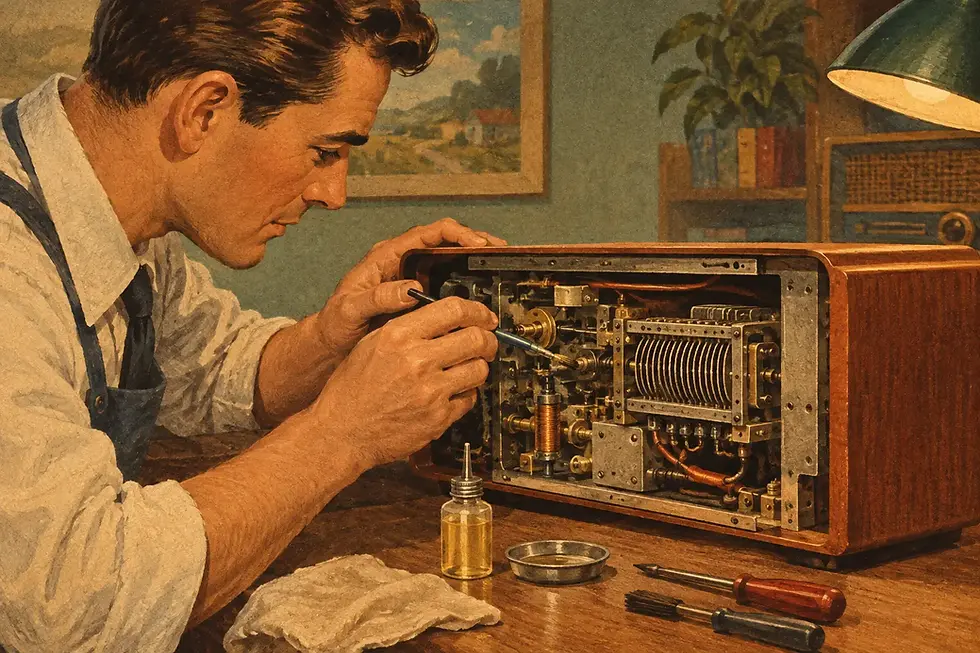
The best work begins with careful inspection. Before any repair decisions are made, the chassis, speaker, transformer, dial assembly, controls, and wiring all need to be assessed. This helps separate normal age-related service needs from unusual failures.
In many tombstone radios, standard electrical restoration includes replacing failed or failure-prone capacitors, checking resistors for drift, evaluating tubes, inspecting power supply health, and correcting unsafe wiring. If the radio has been worked on before, part of the job may involve undoing poor-quality past repairs. That is common with old sets. Many have lived through decades of improvised service.
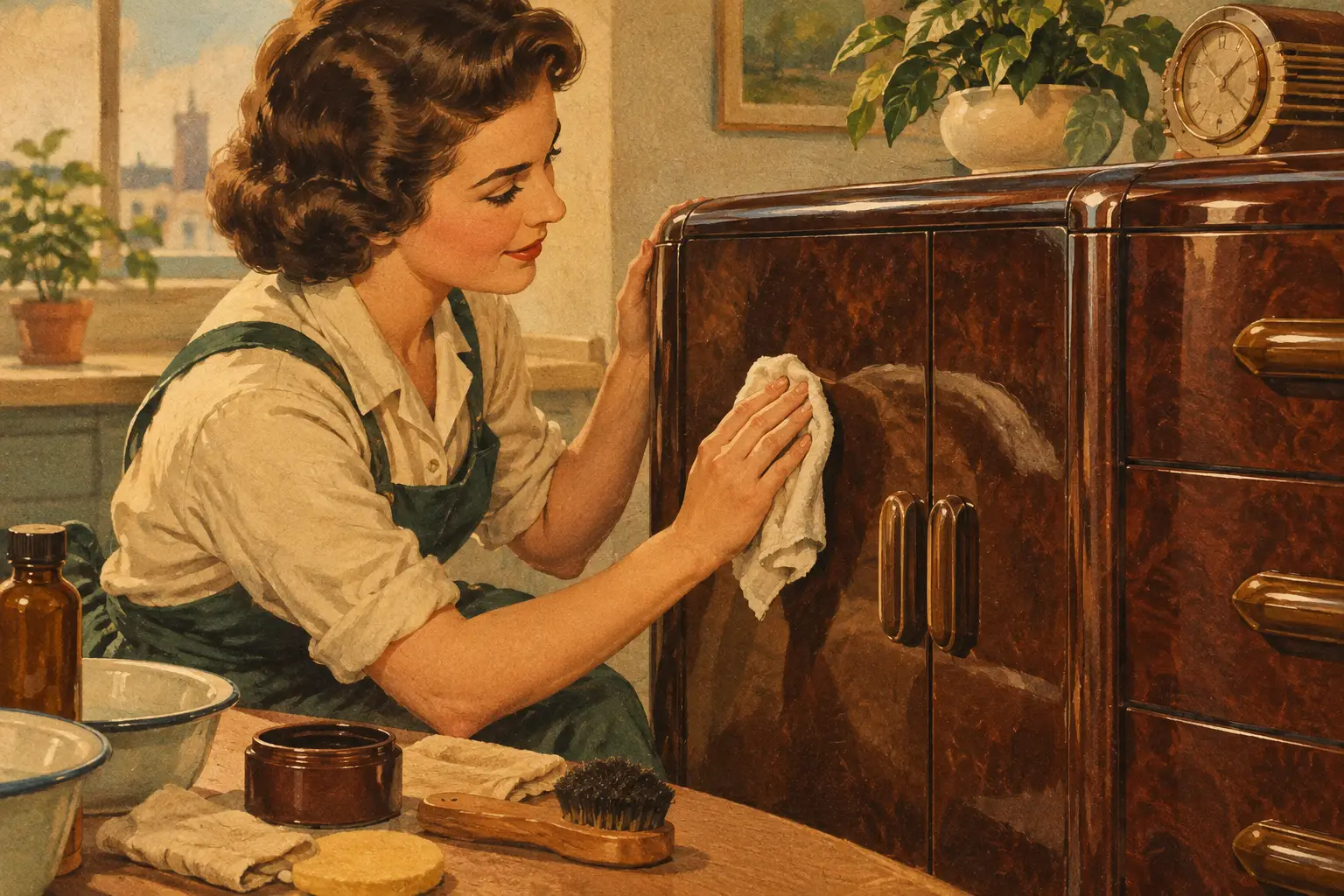
Mechanical and cosmetic details matter too. Scratchy controls, slipping dial cords, frozen tuning mechanisms, damaged grille cloth mounts, and deteriorated rubber grommets can all affect how the set feels and performs. A thorough service does not ignore those areas just because the radio now technically makes sound.
Then there is alignment. Even electrically stable radios can sound dull or receive poorly if alignment is off. Proper alignment brings sensitivity and selectivity back into balance so the radio performs as it was meant to. On a tombstone set, that often makes the difference between a radio that merely works and one that is a pleasure to use.
Common problems found in tombstone radios
Most owners reach out when the radio is completely dead, but total failure is only one version of trouble. More often, the symptoms are gradual. A radio hums loudly, plays weakly, fades after warming up, crackles when touched, distorts at normal volume, or receives only a small part of the dial.
Some issues come from age alone. Capacitors dry out or leak electrically. Resistors drift from their intended values. Insulation becomes fragile. Tube sockets oxidize. Speakers develop field coil or voice coil problems. Transformers may run hot or fail after long neglect.
Other issues come from storage conditions. A radio kept in an attic, basement, or unconditioned garage may suffer from moisture exposure, rodent damage, corrosion, or warped materials. Even a set with a beautiful cabinet can hide serious electronic trouble if it has spent decades in poor conditions.
There is also the problem of well-meant but risky first attempts. Plugging in an untouched tombstone radio to "see if it works" can damage components that might otherwise have been preserved. Antique tube radios were not designed for modern expectations of plug-and-play convenience. If a set has unknown service history, inspection should come before power.
Preservation matters as much as performance
A tombstone radio repair service should never treat every set the same way. Collector-owned examples, sentimental family pieces, and display radios intended for occasional use may each call for a slightly different approach. The best service takes those goals seriously.
For some owners, originality is everything. They want the radio stabilized, made safe, and repaired in a way that preserves as much historic material as possible. For others, dependable listening is the priority, especially if the radio will be used regularly. Those are both valid goals, but they can lead to different choices in parts selection, extent of restoration, and cosmetic work.
This is where experience matters. Preservation-minded repair means knowing what should be saved, what must be replaced, and what should be left alone. It means respecting original layouts, avoiding unnecessary visual changes, and understanding that a radio can lose part of its identity if the work is done carelessly.
What owners should ask before choosing a repair shop
Trust matters with any antique, but especially with a tombstone radio. These sets are often irreplaceable in a personal sense even when they are not rare in the collector market. Before handing one over, it is worth asking how the shop approaches antique radio restoration specifically.
A serious shop should be comfortable discussing tube-era circuitry, common failure points, and the balance between reliable repair and historical preservation. It should also explain how the radio will be handled, what kind of testing is performed, and whether repaired equipment is backed by any service warranty. Clear communication is a good sign. Vague promises usually are not.
It also helps to ask whether the shop regularly works on antique radios, rather than treating them as occasional curiosities. Tombstone sets share a family resemblance, but there is still wide variation across makes and years. Familiarity with prewar and early postwar construction methods can prevent mistakes that a modern-only technician may never anticipate.
When repair is worth it - and when expectations need adjusting
Most tombstone radios are very repairable, even after long periods of storage. In many cases, the cabinet is solid, the chassis is restorable, and the speaker can be saved or properly serviced. That is the encouraging news.
Still, honest repair work includes honest expectations. Some radios arrive with missing parts, severe rust, prior fire damage, broken cabinets, or transformer failures that complicate the project. A rare set may justify extensive work where a more common set might not. A family heirloom may be worth restoring regardless of market value. It depends on what the radio means to you, how complete it is, and what level of restoration you want.
That is why individualized evaluation matters so much. A thoughtful shop does not force every radio into the same package. It looks at the set in front of it and considers both the technical condition and the owner's goals.
The return of the sound you remember
When a tombstone radio is repaired properly, the result is more than a powered-up relic. The tuning feels alive again. The speaker regains warmth and presence. The glow behind the dial looks as it should. Even static between stations has a kind of period character when the set is healthy.
For many owners, that first clear broadcast after years of silence is the real reason to seek service. It is the sound of a family object becoming part of daily life again instead of remaining a fragile reminder of the past. That is the value of skilled, respectful work, and it is why a specialist such as Regal Sound Design approaches each radio as something worth preserving, not just repairing.
If you have a tombstone radio waiting in silence, the right repair is not only about fixing what failed. It is about giving an old voice the chance to be heard again with the dignity it has earned.

Comments